
SERVICING HUNTER REGION, NEWCASTLE, CENTRAL COAST, CANBERRA
Fast emergency response, commercial-grade drying, and proper restoration — across Newcastle and the Hunter Region.
We aim to be on-site as fast as we can — usually same day, often within a few hours. First job is stopping the source if it’s still active, then extracting standing water with commercial-grade pumps and vacuums. The faster this happens, the less secondary damage you’re dealing with later.
Visible water is only part of the problem. Water gets into walls, subfloors, ceiling cavities, and underlay — places it can’t simply evaporate from on its own. We set up commercial dehumidifiers, air movers, and where needed, structural drying equipment, and monitor moisture readings until the structure’s properly dry. This usually takes three to seven days, depending on the damage.
Once everything’s dry, we can properly assess what’s been damaged and what’s salvageable. Some materials (most carpet, some plaster, MDF cabinetry) need replacing. Others (timber flooring, brickwork, contents) often survive if they’ve been dried in time. We give you a clear breakdown and quote for the restoration phase.
This is where the property gets put back together — replacing damaged materials, repainting, restoring trim and cabinetry, addressing any underlying issues that caused the damage in the first place. If the job needs trades outside our scope (electrical, major plumbing, structural), we coordinate them so you’re not running the project yourself.
The most common mistake in water damage work is calling it finished too early — when the visible water’s been removed and the surface feels dry. The problem is that water gets into materials, cavities, and substrates that won’t dry on their own without intervention. If that hidden moisture isn’t addressed properly, you end up with mould inside walls within a few weeks, ongoing structural damage, and a much bigger job to fix.
We don’t call a job dry until moisture readings confirm it across all affected materials. That’s not the fastest way to do this work, but it’s the right way — and it’s the difference between a one-off restoration and a problem that quietly grows behind your walls for six months.
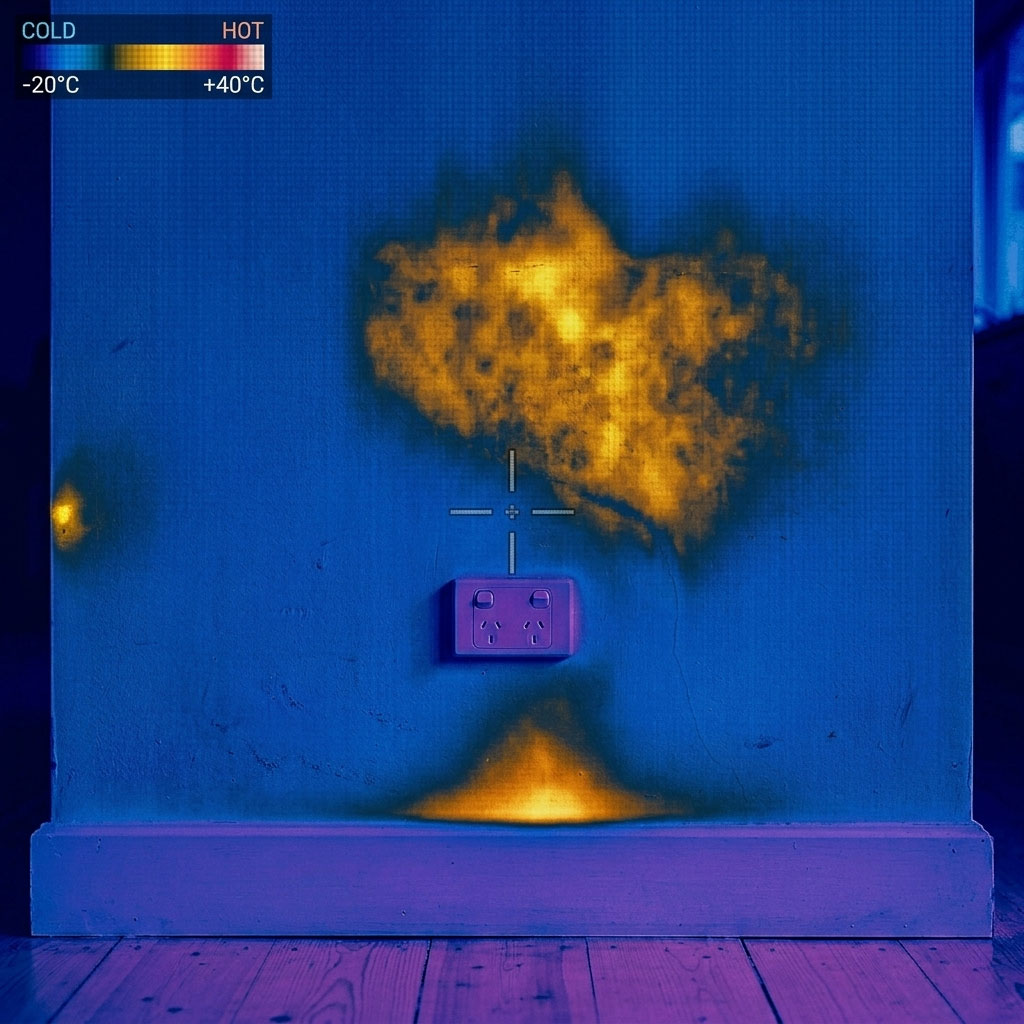
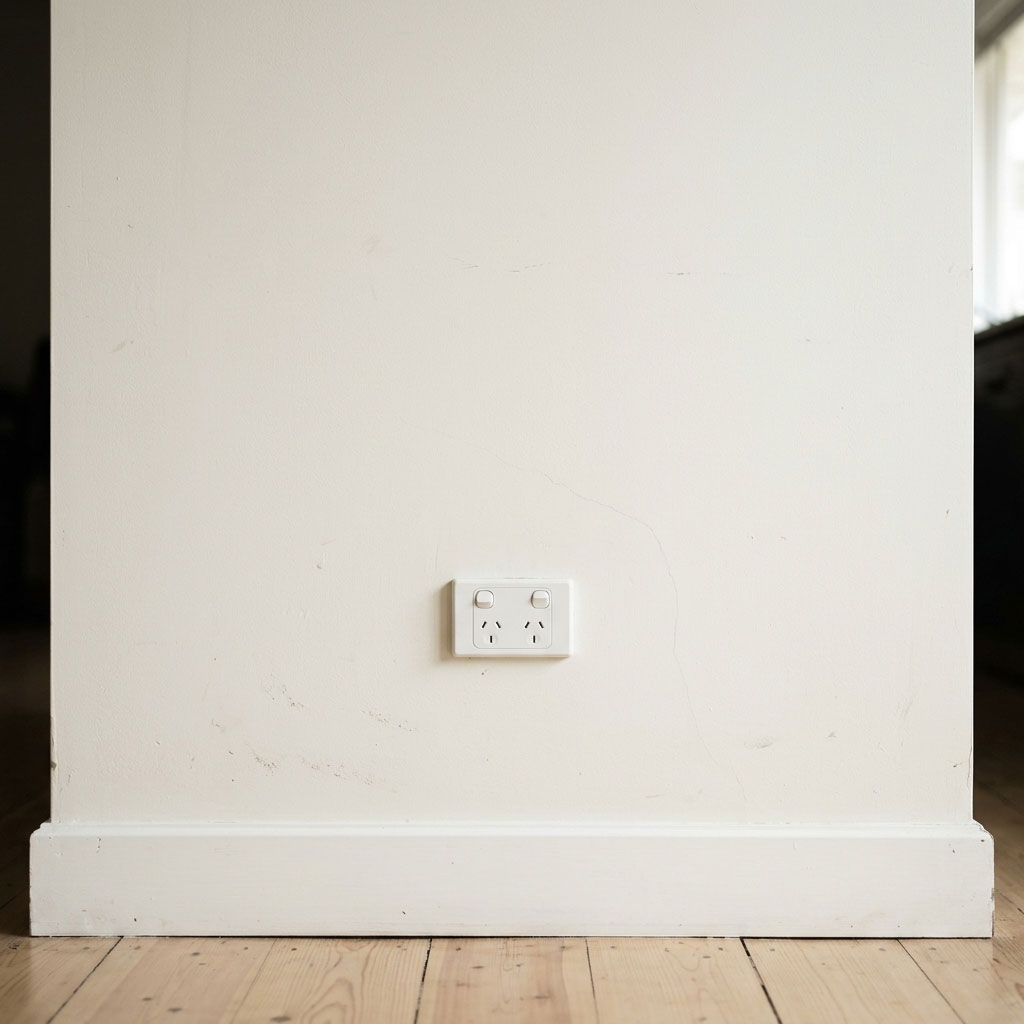
For active water damage in Newcastle and the immediate Hunter, we aim to be on-site within a few hours, and same day at the latest. The faster we can start extraction, the less collateral damage there’ll be — so call us as soon as you can, even if it’s after hours.
Yes — a lot of our water damage work goes through insurance claims. We provide the detailed documentation, photo records, and moisture reports assessors need, and we’ll liaise directly with your insurer where it makes things easier for you.
Usually three to seven days, depending on how much water was involved and what materials are affected. We monitor moisture readings throughout and won’t call the job dry until the numbers confirm it.
Sometimes, but not always. Clean water damage caught early often allows the carpet itself to be saved, though the underlay usually needs replacing. If the water was contaminated (sewage, floodwater), the carpet generally needs to go for health reasons. We assess each job individually.
This is treated as a different category of job — Category 3 water — with stricter health and safety requirements. We handle it, but the process involves more intensive sanitisation, protective equipment, and usually replacement of porous materials. We’ll walk you through it if it applies to your situation.
If we’ve done the drying properly, mould shouldn’t develop from the original damage. We document the drying process so you’ve got a record of moisture readings at completion. If anything does develop afterwards because of our work, we’ll come back and put it right.
We respond to water damage callouts across Newcastle, Maitland, Lake Macquarie, the Hunter Valley, and Port Stephens. Not sure if we cover your area? Give us a call — chances are we do.
Most jobs aren’t textbook. If you’re not sure how to describe what’s going on, that’s fine — give us a call or send through some photos and we’ll work it out together. Free quotes, no pressure.